Table of Contents

Win more bids. Close more jobs. Start with our newsletter.
Get exclusive insights, tips, and trends your competition doesn't want you to know.

Key takeaways
- A complete roofing setup covers four categories, not just hand tools: installation gear, safety equipment, jobsite protection and cleanup, and business systems that keep the office and the field in sync.
- Safety gear is a legal requirement, not a nice-to-have. OSHA 29 CFR 1926.501 requires fall protection whenever employees are exposed to falls of 6 feet or more in residential construction, and fall protection has been the most frequently cited OSHA standard for 14 straight years.
- Roofing is one of the most dangerous trades in the country. The Bureau of Labor Statistics recorded 134 roofing industry fatalities in 2023, and 82 percent of them came from falls, slips, or trips.
- Modern roofing companies treat software as core equipment. JobNimbus gives roofing crews one place to estimate, schedule, communicate, invoice, and document every job so the office never slows the field down.
- New companies should start lean, then expand as volume grows. Buy the essential installation tools, PPE, and access equipment first, and add specialized and material-handling gear as the business scales.
The right roofing tools and equipment do far more than help a crew finish the job. They shape the speed, quality, safety, and cleanup that customers actually judge by when they walk out to the driveway the next morning. A modern roofing company needs more than a nailer and a ladder. A complete setup covers installation tools, safety gear, jobsite protection, cleanup equipment, and the business systems that keep the whole operation moving.
What roofing tools and equipment include
Roofing tools and equipment generally fall into four categories: installation tools, safety equipment, jobsite protection and cleanup gear, and business or workflow tools. When roofers say "tools," most people picture nail guns, hammers, and utility knives. Those are the fastening and cutting tools, but they are only one slice of the setup a working crew actually needs.
A complete roofing operation also needs a way to access the roof safely, a way to protect the crew from falls, a way to protect the customer's property from damage and debris, and a way to manage the job itself from estimate through final payment. Skipping any one of these four categories creates rework, injuries, callbacks, or delays that show up on the P&L later.
Basic roofing tools every crew should have
Every roofing crew should start with a core set of tools used on almost every job: tear-off, layout, fastening, and trimming. This is the baseline kit a two-person crew could show up with tomorrow morning to complete a standard asphalt shingle job.
The essentials include:
- Roofing nailer for fastening shingles faster and more consistently than hand nailing
- Air compressor and hoses sized to run at least one pneumatic nailer without pressure drops
- Cordless drill or impact driver for drip edge, flashing, and miscellaneous fastening
- Utility knife with hook blades for cutting shingles cleanly without dulling blades on grit
- Roofing hatchet or framing hammer for hand nailing, adjusting, and detail work
- Pry bar, roofing shovel, or shingle remover for fast, clean tear-offs
- Chalk line for straight courses, valleys, and layout lines
- Tape measure (a 25-foot or 35-foot for most jobs, longer for commercial)
- Caulk gun for sealant, roof cement, and flashing details
- Staple gun where codes and material specs allow it
- Hand seamer or tin snips for metal flashing, drip edge, and step flashing
If a crew is missing any of these, productivity takes a hit on day one. They are the baseline for completing a residential roof without improvising or borrowing tools.
Roofing nailers, compressors, and fastening tools
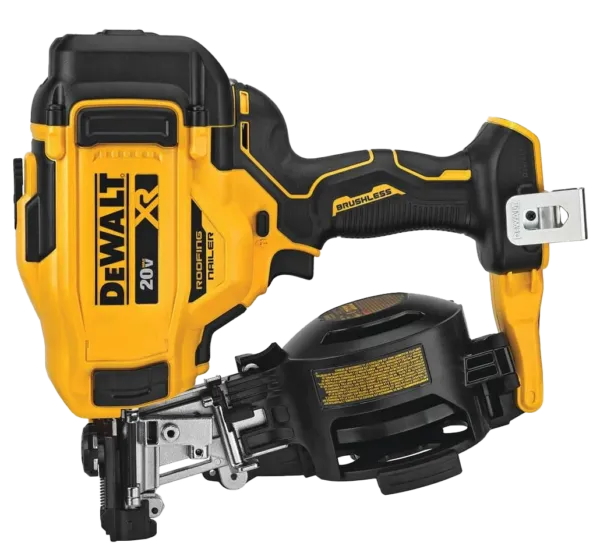
Fastening tools shape how many squares a crew can install in a day. A slow or unreliable nailer quietly lowers daily output, raises labor cost per square, and pushes completion dates back.
A good roofing nailer is sequential or bump-fire capable, shoots coil nails in the lengths the shingle manufacturer specifies, and holds up to roof heat and daily drops. Hitachi, Bostitch, Senco, and Max all have workhorse models that crews swear by.
The compressor matters just as much. Undersized units cannot keep up with two nailers running at the same time, which leads to short-driven nails and warranty problems. A pancake compressor is fine for a solo installer, but a crew of two or more typically needs a twin-stack or wheelbarrow-style unit rated to keep pressure above 90 PSI under sustained use. Cordless fastening fills the gap on trim, flashing, and small repairs, so most crews end up running a hybrid setup.
Access equipment roofers need to work safely
Access gear covers everything that gets a crew onto the deck and keeps them stable while they work. Most roofing jobs need:
- Extension ladders rated for the load and height of the job, typically Type IA (300-pound) for commercial use and minimum Type I (250-pound) for residential
- Ladder stabilizers that spread the top of the ladder wider than the side rails and prevent gutter damage
- Ladder levelers for uneven ground, sloped driveways, and landscaping where the base cannot sit flat
- Roof brackets and planks on steep-slope jobs to create a foothold and a place to stage shingles
- Scaffolding or pump jacks on larger or taller buildings where ladder work is impractical
- Material hoists or lifts for getting shingles, underlayment, and tear-off debris up and down without exhausting the crew
The National Institute for Occupational Safety and Health publishes a free NIOSH Ladder Safety App that helps workers set extension ladders at the correct 75-degree angle, check verticality, and run through inspection checklists. It has been downloaded more than 850,000 times, and there is no reason a roofing company should not have it on every crew lead's phone.
Roofing safety equipment should never be an afterthought
Roofing is one of the most dangerous trades in the United States. The Bureau of Labor Statistics reported 134 fatal injuries in the roofing industry in 2023, and 82 percent of those deaths came from falls, slips, or trips. Fall protection has been the most frequently cited OSHA standard for 14 consecutive years. This is not paperwork. Safety gear is the reason a crew goes home at night.
Under OSHA 29 CFR 1926.501(b)(13), employers must protect workers in residential construction from falls of 6 feet or more using guardrail systems, safety net systems, or personal fall arrest systems. A personal fall arrest system (PFAS) consists of an anchor, a full-body harness, and a lifeline or lanyard working together as one unit.
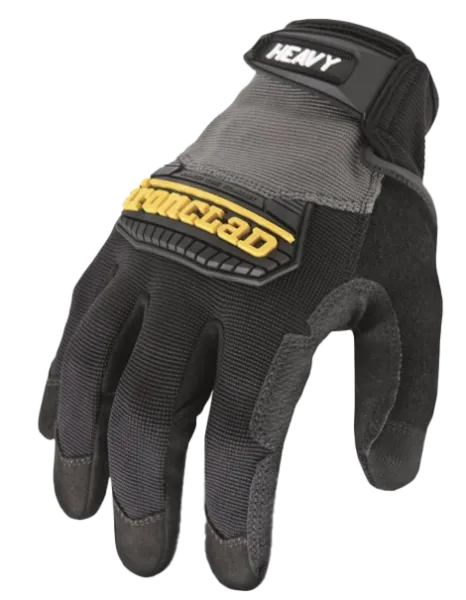
The personal protective equipment (PPE) and fall protection gear every roofing crew should carry includes:
- Full-body harnesses properly sized and inspected before each use
- Roof anchors rated for fall arrest and installed according to manufacturer instructions
- Lifelines and lanyards with shock absorbers that limit the forces on the body during a fall
- Guardrail systems on low-slope roofs and leading edges where they are practical
- Hard hats for crews working below anyone on the roof
- Cut-resistant gloves for handling metal, flashing, and debris
- Safety glasses to protect against flying nails, dust, and shingle grit
- High-traction roofing boots with soft rubber soles that grip without scuffing shingles
- Hearing protection when nailers, compressors, and saws are running continuously
- High-visibility vests on commercial, re-roof, and insurance storm jobs where traffic or other trades are active
Fall gear is not "install once and forget." Harnesses, lanyards, and lifelines should be inspected before every use and pulled from service after any impact or visible wear. Beyond OSHA compliance, most states also require contractor licenses that include a safety component, so the paperwork around PPE often doubles as licensing documentation.
Jobsite protection and cleanup tools matter more than many roofers think
Good roofing work is not just what happens on the roof. It is also what the homeowner sees in their landscaping, on their driveway, and in their flower beds after the crew pulls away. Jobsite protection and cleanup gear shape referrals, reviews, and repeat work in ways that craftsmanship alone cannot.
Essential protection and cleanup gear includes:
- Heavy-duty tarps to catch tear-off debris before it hits landscaping, pools, or AC units
- Plywood sheets or specialty landscape protection panels for driveways, pavers, and sod near the work area
- Magnetic nail sweepers run over the lawn, driveway, and walkways at the end of every day
- Debris containers or dump trailers positioned on plywood to protect the driveway
- Push brooms and leaf blowers for final cleanup of gutters, walkways, and the roof itself
- Trash chutes on two-story and larger jobs to move debris off the roof safely
A magnetic sweeper, a set of tarps, and a clean driveway are not glamorous, but they are the difference between a homeowner posting a five-star review and one calling to complain about a flat tire from a stray roofing nail. Documenting that work with your own jobsite photos also gives the company a marketing asset for the next job.
Specialized roofing tools for different materials and job types
Not every roof is asphalt shingles. Crews that take on metal, low-slope, tile, or slate need a second layer of specialty tools beyond the standard shingle kit.
Metal roofing calls for:
- Hand seamers and power seamers to close standing-seam panels
- Electric shears, nibblers, or aviation snips for clean cuts in coated steel, aluminum, and copper
- Panel benders or folders for custom flashing on site
- Touch-up paint matched to the panel coating to cover scratches before they rust
Low-slope and commercial work often requires:
- Hot-air welders for TPO (thermoplastic polyolefin) and PVC membrane seams
- Membrane rollers for seam pressure and adhesive bonding
- EPDM (ethylene propylene diene monomer) seam rollers and adhesive applicators
- Torch kits for modified bitumen where code and insurer allow
Diagnostics and repair add another layer:
- Moisture meters for spotting trapped water under membranes or decking
- Infrared cameras for finding wet insulation on flat roofs
- Inspection probes and seam probes for quality-check passes on commercial work
The crews that can price, install, and warranty multiple roofing systems are the ones that stay busy when one segment of the market slows down.
Material handling equipment can save time and strain
As roofing companies grow, material handling becomes one of the largest productivity and safety levers in the business. Carrying bundles up a ladder all day is slow, wears crews out, and drives up workers' compensation costs over time. Equipment that pays for itself on volume work includes:
- Material lifts and conveyors to move bundles, plywood, and accessories from the ground to the deck
- Dump trailers for hauling tear-off debris to the transfer station in one trip instead of three
- Storage racks and organized truck setups so crews are not hunting for gear at 7 a.m.
- Wheelbarrows and hand carts for staging materials around the yard and driveway
- Shingle delivery and rooftop loading coordination with the supplier when the roof can handle staged weight
A company running five crews a day needs material handling to hit the schedule. A solo roofer does not.
Roofing software belongs in the modern tool stack
Physical tools get the roof installed. Software gets the company paid. Roofing software is where estimates, schedules, customer communication, photo documentation, invoicing, and team coordination all live, and it belongs on the tool list alongside the nailers and ladders.
JobNimbus is an all-in-one roofing software platform built for contractors who want to stop running their business from a whiteboard, a text message thread, and a shoebox full of receipts. A roofing CRM (customer relationship management) system lets a company:
- Move leads from first call to signed contract to paid invoice in one pipeline
- Schedule crews, inspections, material deliveries, and follow-ups on a shared calendar
- Order accurate roofing measurement reports without climbing the roof twice
- Capture jobsite photos, documents, and signed change orders from a phone in the field
- Track commissions, job costs, and profit margins in real time instead of at year-end
Crews that use software to track every job finish faster, collect payment sooner, and lose fewer leads in the shuffle. Pricing is one of the places software earns its keep most clearly, since accurate estimates protect the margin every time the crew quotes a roofing job.
What new roofing companies should buy first
New roofing businesses do not need every tool on this list on day one. Buying everything at once is a great way to run out of cash before the second job closes. The smarter move is to buy the essentials, work through a few jobs, and reinvest into gear that solves the bottlenecks that actually show up.
Here is a practical "buy first, add later" breakdown for a new roofing company:
Start with what the crew will touch every day, plus the safety and software that protect the business from day one. For newer contractors still building their playbook, roofing advice for beginners covers the operational decisions that come right after the tool list.
Better tools help roofers work faster, safer, and more profitably
The right roofing tools and equipment shape craftsmanship, crew safety, cleanup, productivity, and the customer experience in ways that show up on every invoice. A crew with the right fastening tools finishes more squares in a day. A crew with the right fall protection goes home at night. A crew with the right cleanup gear gets called back for the next job instead of for a complaint.
Invest in the essentials first. Take safety gear seriously. Protect the jobsite like the homeowner is watching, because they usually are. And use software to keep the office side from slowing the field crew down. See how JobNimbus ties the tool kit, the field crew, and the back office into one system that keeps every job moving.

Frequently Asked Questions
Roofers use a roofing nailer, air compressor, utility knife with hook blades, tape measure, chalk line, hammer or roofing hatchet, and pry bar on almost every residential job. A cordless drill, caulk gun, and hand seamer come out on most jobs too. These are the daily-driver tools any crew should have loaded in the truck before pulling out of the yard.
The most important roofing safety equipment is the personal fall arrest system: a full-body harness, a roof anchor, and a lanyard or lifeline working together. OSHA requires fall protection whenever workers are exposed to falls of 6 feet or more in residential construction. Hard hats, gloves, safety glasses, and high-traction roofing boots round out the minimum PPE kit.
"Tools" usually refers to hand tools and power tools used to install, cut, fasten, or measure roofing materials. "Equipment" is broader and includes ladders, scaffolding, safety systems, material lifts, cleanup gear, and vehicles. In practice most roofing companies use the terms interchangeably, but a complete roofing setup needs both.
Yes. Asphalt shingles need a standard roofing nailer and hook-blade utility knives. Metal roofing needs seamers, shears or nibblers, and panel folders. Low-slope TPO and PVC membranes need hot-air welders and seam rollers. Tile and slate need specialty cutters and nibblers. Any crew working on multiple roofing systems needs a second layer of specialty tools beyond the asphalt kit.
Harnesses, lanyards, and lifelines should be inspected before every use, with a documented formal inspection by a competent person at least annually. Any gear involved in a fall arrest event must be removed from service immediately. Most manufacturers recommend replacing harnesses every 5 years under normal use, sooner in harsh conditions. Always follow the manufacturer's instructions.

Blog / Guide Title CTA
Once you've created a strong Linkedin profile, you can leverage it as part of your broader marketing strategy. Use your Linkedin to share content, join industry groups, and network with others in the contracting space.
If you're looking for additional marketing support, consider partnering with JobNimbus Marketing to maximize your business growth. Schedule a call with our team to learn how to boost your marketing efforts today.
Blog / Guide Title CTA
Once you've created a strong Linkedin profile, you can leverage it as part of your broader marketing strategy. Use your Linkedin to share content, join industry groups, and network with others in the contracting space.
If you're looking for additional marketing support, consider partnering with JobNimbus Marketing to maximize your business growth. Schedule a call with our team to learn how to boost your marketing efforts today.
Download Our Free Tips for Recession-Proofing Your Company
We’ll show you five simple things you can do to help your business survive a recession.