

Table of Contents

Win more bids. Close more jobs. Start with our newsletter.
Get exclusive insights, tips, and trends your competition doesn't want you to know.

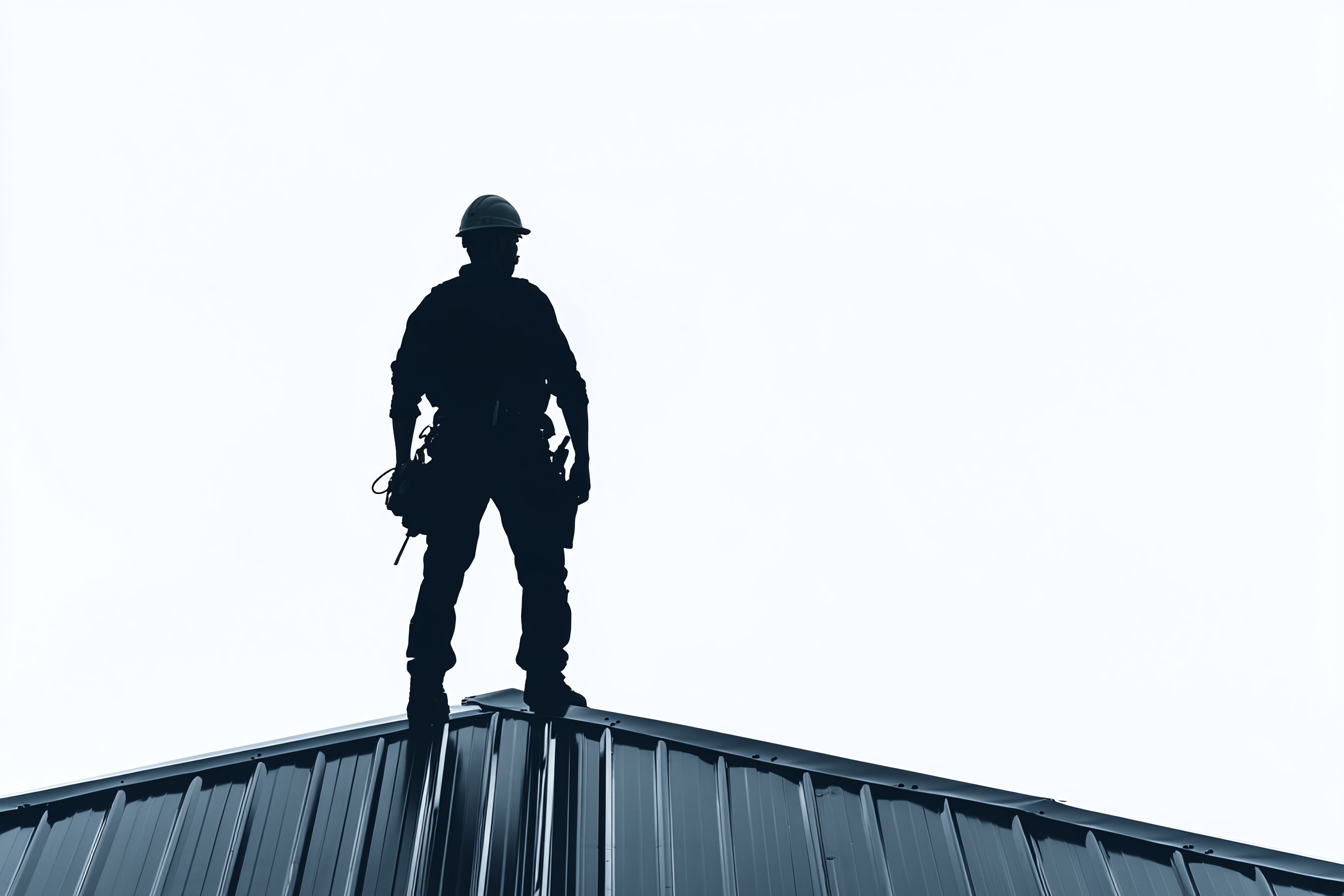
Roofing remains one of the most dangerous professions in the United States, making a strong safety program essential for every roofing company. To comply with Occupational Safety and Health Administration (OSHA) requirements, all roofing industry employers must have a safety program for their team.
In this blog post, we’ll discuss the dangers of roofing and provide roof safety tips to mitigate risk for contractors. Let’s get started.
Prevent falls on the job site
Working more than six feet above the ground is dangerous. A fall from that height could lead to severe injuries and even death. According to OSHA, falls are the leading cause of death in the construction industry. Roofers must practice roof safety and take anti-fall measures to protect themselves.
Practice ladder safety and training
Appropriate ladder usage is critical to protecting roofers from falls. You should follow all relevant instructions and safety warnings on your ladder and secure it to ensure stability.
Wear head protection
You should always wear the proper protective gear on a job site. A hard hat or safety helmet can protect workers from head injuries caused by falls or debris.
Use fall protection
OSHA mandates that roofers use fall protection when working above six feet above the ground. Stay safe by using an anchor, a full-body harness, and a lanyard or lifeline. You might also consider guardrails and slide guards.
Pay attention to training
Regular training sessions on fall prevention techniques can also help protect everyone on your team. Several OSHA-certified fall protection courses are available online. This training is not just a formality; it's a powerful tool to ensure roofing safety.
Wear anti-slip pants and gloves
Anti-slip pants and roofing gloves are designed to prevent roofers from sliding off roofs. The gear provides wearers with extra grip and stability while on a roof.
4 ways to stay safe with power tools
Roofers use a variety of power tools, from nail guns to drills and shingle hogs. Working on a roof makes these tools even riskier, and mishandling them can lead to severe injuries.
The debris, dust, and fumes from power tools can also be dangerous. Mishandling electrical equipment can lead to shocks, burns, fires, and other injuries.
Here are four key ways to use roofing power tools safely.
- Turn tools off
Turn off power tools when they’re not in use. Leaving unattended power tools on, even for a split second, is extremely dangerous and puts everyone on-site at risk of injury.
- Inspect tools
Before using any power tools, it’s important to inspect them to ensure they’re working correctly. You don’t want to wait until you’re up on the roof to discover your tools are broken and unsafe to use.
According to OSHA regulations, roofers must use tools that
- Are double-insulated (to protect roofers from shocks and burns)
- Are plugged into a grounded receptacle
- Have a three-wire cord with a ground
Electric tools should be stored in a dry location when not in use.
- Wear personal protective equipment (PPE)
Wearing proper PPE while operating power tools is crucial to protect yourself from injuries. Roofers should wear eye, ear, and face protection while using power tools. Safety glasses, proper footwear, earplugs, and gloves can go a long way to keep you safe.
Don’t wear loose clothing or jewelry that can get caught in the machinery.
- Work in a safe environment
You should only use power tools if the environment is safe. The work area should be well-lit, and cords should not create a tripping hazard. If the roof is damp, avoid using electric tools.
Electrical hazard safety
In addition to electrical risks from power tools, roofers face other electrical hazards. When working on roofs, roofers have increased exposure to power lines, increasing their risk of injury.
Roofing contractors should be aware of overhead power lines and stay at least 10 feet away from them and anything touching them.
Intense heat protection
Thousands of construction workers suffer from preventable heat-related illnesses annually, according to OSHA.
Remember the simplest prevention method to protect workers from extreme heat:
- Water
- Rest
- Shade
Proper hydration and frequent breaks in the shade can help protect workers from heat illness.
Prioritize roofing safety and efficiency
Roofing safety should never be an afterthought. By following OSHA guidelines, investing in the right PPE, and creating a strong safety culture, you can help protect your crew and reduce risks on every job site.
Looking for more ways to improve your roofing business? See how JobNimbus helps contractors manage jobs, communicate with customers, and keep projects on track.

Book your JobNimbus demo today

Frequently Asked Questions
OSHA stands for the Occupational Safety and Health Administration. It is the federal agency that sets and enforces safety standards for U.S. workplaces. For roofers, OSHA regulations govern fall protection, ladder use, scaffolding, and hazard communication. Violations can result in significant fines, and compliance is a baseline requirement for working on commercial and government projects.
Before using any power tools, inspect them to confirm they are working correctly. Per OSHA regulations, tools should be double-insulated, plugged into a grounded receptacle, and utilize a three-wire cord with a ground. Additionally, ensure the work area is well-lit, free of tripping hazards, and dry, as electric tools should not be used on damp roofs.
To prevent heat-related illness, follow the "water, rest, and shade" approach. Ensure workers stay properly hydrated, take frequent breaks, and have access to shade throughout the workday

Blog / Guide Title CTA
Once you've created a strong Linkedin profile, you can leverage it as part of your broader marketing strategy. Use your Linkedin to share content, join industry groups, and network with others in the contracting space.
If you're looking for additional marketing support, consider partnering with JobNimbus Marketing to maximize your business growth. Schedule a call with our team to learn how to boost your marketing efforts today.
Blog / Guide Title CTA
Once you've created a strong Linkedin profile, you can leverage it as part of your broader marketing strategy. Use your Linkedin to share content, join industry groups, and network with others in the contracting space.
If you're looking for additional marketing support, consider partnering with JobNimbus Marketing to maximize your business growth. Schedule a call with our team to learn how to boost your marketing efforts today.
Download Our Free Tips for Recession-Proofing Your Company
We’ll show you five simple things you can do to help your business survive a recession.