

Table of Contents

Win more bids. Close more jobs. Start with our newsletter.
Get exclusive insights, tips, and trends your competition doesn't want you to know.

Key Takeaways
- Metal roofing now holds roughly 18% of the U.S. residential market (Metal Roofing Alliance, 2024) and is growing at over 4% per year, driven by durability, energy performance, and longevity that asphalt shingles cannot match.
- "Type of metal roofing" is actually four separate decisions: panel profile, fastening method, metal substrate, and finish system. Confusing them is how contractors and homeowners end up with the wrong system for their roof.
- Standing seam panels last 50 to 70 years with minimal maintenance. Exposed-fastener systems last 20 to 30 years but cost significantly less upfront, making fastening method the single biggest driver of lifecycle value.
- The metal substrate changes the rules on coastal, high-UV, and freeze-thaw roofs. Steel, aluminum, copper, and zinc each have different corrosion profiles, weight, and compatibility requirements that affect everything from fastener selection to flashing design.
- JobNimbus gives roofing contractors the tools to quote, manage, and track profitability on every metal roofing job, from initial measurements through final invoicing.
Metal roofing is not one product. It is a category that spans dozens of panel profiles, four primary metals, multiple fastening systems, and finish technologies that range from basic polyester paint to premium PVDF coatings engineered to hold color for decades. When a homeowner asks "what type of metal roof should I get?" and a contractor answers "standing seam," that answer is incomplete. Standing seam describes a fastening method, not a metal, not a profile, and not a performance rating.
This guide breaks down every major type of metal roofing by the dimensions that actually drive the decision: panel profile and fastening system, metal substrate, finish technology, and building use case. Contractors and property owners who understand all four layers make better specifications, win more bids, and avoid the call-backs that come from mismatched systems.
Metal Roofing Types Explained
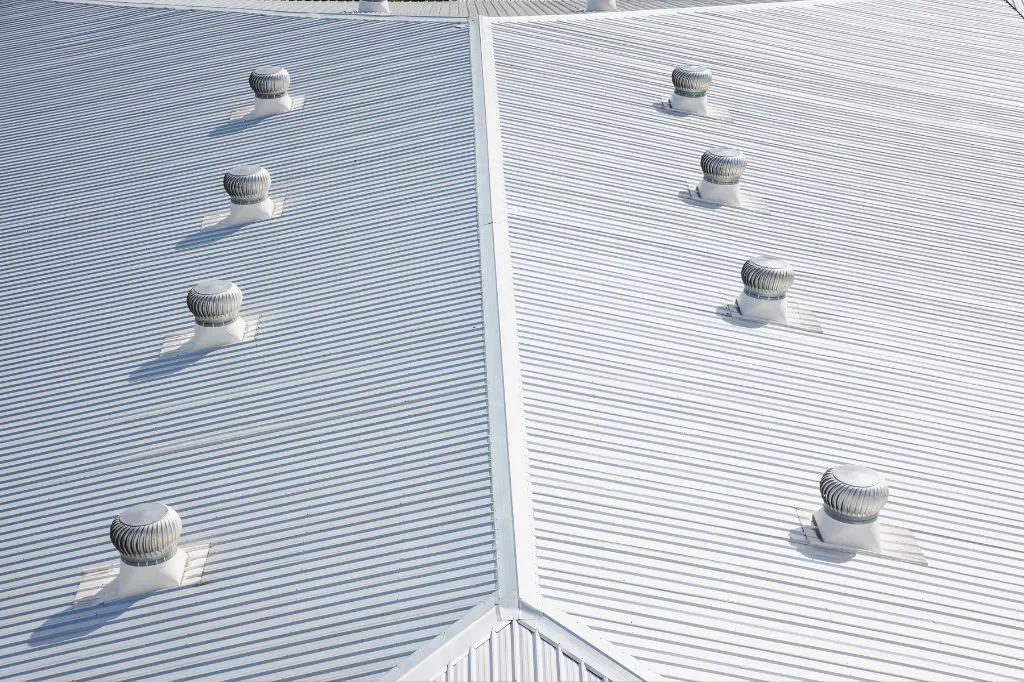
The phrase "types of metal roofing" gets used as if it describes a single variable. It does not. Every metal roofing specification involves at least four choices, and each one affects performance, cost, and maintenance independently.
What "Type" Actually Means in Metal Roofing
The four dimensions of a metal roofing specification:
- Panel profile: The shape and geometry of the panel itself. Corrugated, ribbed, flat-pan, batten seam, and standing seam are all profiles.
- Fastening method: How the panel attaches to the structure. Exposed fasteners penetrate the panel face with visible screws. Concealed fasteners hide beneath raised seams or interlock mechanisms.
- Metal substrate: The actual metal being used. Steel (galvanized or Galvalume), aluminum, copper, and zinc each have different properties, price points, and compatibility requirements.
- Finish system: The coating that protects the metal and determines color retention, corrosion resistance, and cool-roof performance. PVDF (Kynar), SMP, and polyester are the main categories.
A "standing seam" roof could be steel or aluminum, snap-lock or mechanically seamed, PVDF or SMP coated, structural or architectural. Two roofs both called "standing seam" can look similar and perform completely differently over a 30-year period.
The Main Categories at a Glance
Standing Seam Metal Roofing
Standing seam is the dominant system in premium metal roofing for a practical reason: the fasteners never touch weather. With no screws penetrating the panel face, there are no washers to deteriorate, no screw holes to seal, and no annual inspection checklist tied to 2,000-plus fastener points. According to the Metal Roofing Alliance, standing seam comprised 55% of all new metal roofing installations in the U.S. in 2023.
Snap-Lock Standing Seam Panels
Snap-lock is the most common standing seam variant for residential steep-slope applications. Panels interlock along a raised seam without mechanical seaming equipment. The clip floats, allowing the panel to expand and contract with thermal cycling rather than fighting against fixed attachment points.
The system installs faster than mechanically seamed alternatives and does not require a specialized seaming machine on the job site. That speed makes it the practical choice for most residential re-roofs and new construction on slopes of 3:12 and above.
The visual options matter on residential jobs. Seam height typically runs 1 inch to 1.75 inches. Tighter rib spacing creates a more segmented, traditional look. Wider spacing reads as modern. Striations, embossed patterns, and panel width all contribute to how the finished roof presents from the street.
Where snap-lock carries risk: the seam is not weathertight by mechanical engagement alone. At lower slopes or in high wind-driven rain exposure, the snap engagement may not provide the same protection as a mechanically seamed system. Slope minimums vary by manufacturer, so reading the technical data sheet before specifying matters.
Mechanically Seamed Standing Seam Panels
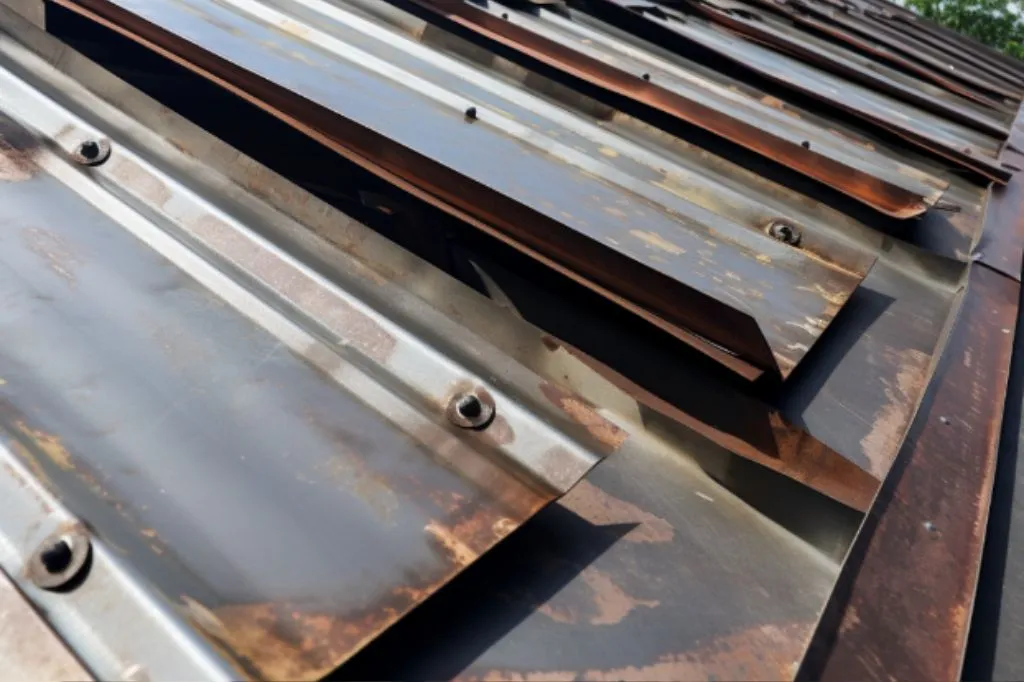
Mechanical seaming uses a powered seaming machine to fold and lock the seam after installation. Single-lock seams fold 90 degrees. Double-lock seams fold 180 degrees, creating a tighter, more water-resistant joint. Double-lock mechanical seaming is the specification for low slopes (as low as 1:12 in some tested assemblies), harsh coastal exposure, and wind-driven rain zones where infiltration risk at the seam is a real concern.
The tradeoff is installation complexity. Mechanical seaming requires trained crews and the right equipment. It also limits repair access later, since the seam has to be unseamed and re-seamed rather than simply lifted.
Thermal movement planning is non-negotiable on long mechanically seamed panel runs. Floating clips allow lateral movement at each attachment point. Fixed clips control where movement occurs at specific anchor locations. On a 100-foot panel run, thermal cycling can produce an inch or more of linear movement. Systems that fight that movement instead of accommodating it develop fastener fatigue, dimpling, and eventually seam failure.
Architectural vs Structural Standing Seam
Architectural standing seam panels are designed for steep-slope applications over a solid deck. The panel manages water, not structural load. Structural standing seam panels span between purlins without a continuous deck, which is the system used in commercial warehouses, agricultural buildings, and low-slope commercial roofs. Structural panels are heavier gauge and engineered to specific span ratings. The two systems are not interchangeable: applying an architectural panel to a purlin-framed structure creates unsupported spans it was not designed to handle.
Exposed-Fastener Metal Roofing Panels
Exposed-fastener systems, sometimes called through-fastened or screw-down panels, attach directly through the panel face into the deck or purlins. The screws are visible. Every penetration point is sealed with a neoprene or EPDM washer that compresses against the metal surface when the screw is driven.
That washer is the system's main maintenance variable. It works well when properly torqued during installation. Over years of UV exposure and thermal cycling, it degrades. A 20-year-old exposed-fastener roof may have thousands of washers in various states of compression and sealing integrity.
Corrugated Metal Roofing Panels
Corrugated panels use a sinusoidal wave profile, alternating ridges and valleys across the panel width. The profile is classic, associated with agricultural buildings, sheds, and industrial structures, though it appears increasingly in modern residential design as an accent material or full roof system on farmhouse-style homes.
The wave profile adds structural rigidity relative to the metal gauge. That rigidity makes corrugated panels cost-effective for wide spans on simple structures. On residential applications, the material reads as intentional and rustic rather than utilitarian when properly detailed.
Oil-canning is a visible waviness in flat panel areas, an inherent characteristic of light-gauge metal, not a defect. Corrugated wave geometry naturally masks minor surface irregularities better than flat standing seam panels. Fastener line layout determines leak risk more than profile. Screws driven into the crests of the wave are more water-resistant than screws driven into the valleys. Ridge, hip, and eave details require careful sealing at every lap.
Ribbed and R-Panel Metal Roofing
R-panel, sometimes called PBR panel, is the workhorse of commercial and agricultural metal roofing. A trapezoidal rib along the panel edge creates the overlap connection. Coverage widths run 36 inches per panel, meaning fewer panels and faster installation than narrower standing seam profiles.
The profile's strength is economics. Fewer panels, faster installation, and wider contractor availability combine to make R-panel the lowest-cost entry point into metal roofing. For large commercial buildings, warehouses, and ag structures where the primary goal is weathertight performance at scale, R-panel delivers.
Maintenance is the ongoing cost. Washer inspection and replacement, screw re-tightening where thermal cycling has backed fasteners out, and sealant management at laps and penetrations are predictable maintenance items over the system's life. Budgeting for periodic maintenance visits is part of a realistic cost comparison against standing seam.
When Not to Use Exposed-Fastener Systems
Three scenarios where through-fastened panels create disproportionate risk:
- Low-slope applications. Standing water around fastener penetrations accelerates washer degradation and creates sustained leak exposure. Most manufacturers set minimum slopes of 1:12 to 2:12 for exposed-fastener panels, but steeper slopes reduce risk further.
- Complex roof geometry. Valleys, chimneys, skylights, and rooftop equipment require careful detailing on any metal system. On exposed-fastener systems, the added penetrations from each fastener row compound the detail complexity and the opportunities for water infiltration.
- High-wind and coastal zones. Fastener pull-through is a documented failure mode in high-uplift events. Exposed-fastener systems used in hurricane or high-wind zones must be specified from tested assemblies with documented uplift ratings per the International Building Code Chapter 15 requirements.
Metal Shingles, Tile, Shake, and Slate Styles
The aesthetic category of metal roofing exists to solve one problem: homeowners want the look of traditional roofing materials with the performance of metal. Metal shingles, tile, shake, and slate profiles deliver both, at a weight fraction of their clay, concrete, or real wood counterparts.
Stamped Metal Shingles
Stamped metal shingles are manufactured from coated steel or aluminum pressed into a three-dimensional profile that mimics asphalt or architectural shingles. They interlock at the edges and install similarly to asphalt shingles, which means most roofing crews can work with them without specialized training.
The weight advantage over clay or concrete tile is significant. Stamped metal shingles typically weigh 50 to 150 pounds per square compared to 750 to 950 pounds per square for concrete tile. That difference changes the structural requirements for the building and the labor cost for the install.
The detailing comparison to standing seam panels matters for contractors quoting metal shingle jobs. Ridge caps, hip pieces, valley flashing, and starter courses are all accessory items that must be sourced from the manufacturer's system. Mixing accessories from different manufacturers creates compatibility and warranty issues. Confirming accessory availability before signing a contract avoids mid-project delays.
Metal Tile Profiles
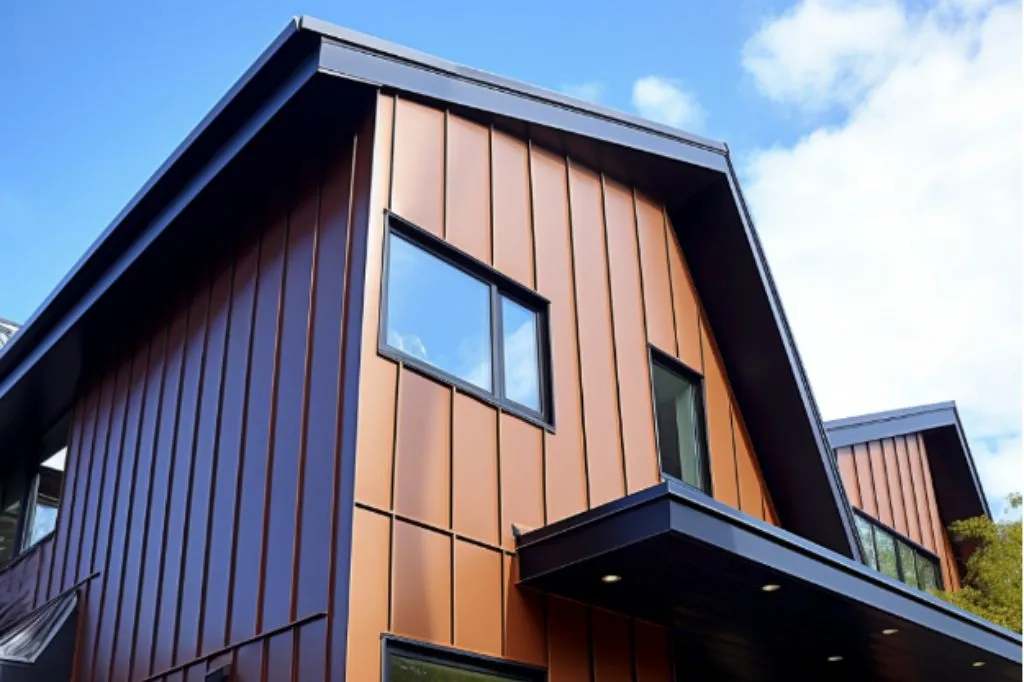
Metal tile profiles replicate Mediterranean, barrel, and modular tile aesthetics in painted steel or aluminum. The visual result from the street is nearly indistinguishable from clay tile to most observers. The performance advantages are significant in certain markets.
In wildfire-prone regions, clay tile's Class A fire rating and metal tile's Class A fire rating are equivalent on that metric, but metal tile's lighter weight, resistance to impact breakage, and sealed installation perform differently under ember and wind-driven debris conditions. California, Colorado, and other western states where tile roofing is common and wildfire risk is real see metal tile specified increasingly for this reason.
Ridge and hip detailing on tile profiles is more complex than on panel systems. The curved geometry requires fitted accessories rather than simple flat trim. Labor cost for detailing runs higher per square than on flat-panel systems, which affects the job estimate meaningfully on complex rooflines.
Stone-Coated Steel Roofing
Stone-coated steel panels bond acrylic-coated granules to a Galvalume or galvanized steel substrate. The granule surface mimics the texture of asphalt shingles, wood shake, tile, or slate. The steel core provides impact resistance that no clay or concrete product can match.
In hail-prone markets across the central U.S., stone-coated steel is a meaningful sales tool. Class 4 impact resistance (UL 2218) is the highest available rating. Some insurance carriers discount premiums for Class 4 impact-rated roofing, which changes the homeowner's cost calculation meaningfully over the life of the roof.
The granule finish introduces maintenance considerations that smooth metal panels do not have. Granules can trap debris and organic material, creating conditions for algae growth and staining. The finish also absorbs some sound differently than smooth metal, which affects the noise perception question homeowners frequently raise about metal roofs. The assembly, not the panel surface alone, determines how much rain sounds inside a conditioned space.
Warranty language scrutiny matters specifically on stone-coated systems. The finish warranty and the weathertightness warranty are separate documents with separate terms. A 50-year paint warranty does not mean a 50-year weathertightness warranty. Reading both before presenting the system to a homeowner is basic due diligence.
Metal Roofing Materials and Finishes
The metal substrate determines corrosion resistance, weight, thermal movement behavior, and compatibility with other materials on the roof. Finish systems determine color retention, cool-roof performance, and how the roof looks in 20 years.
Steel: Galvanized vs. Galvalume
Steel is the substrate in roughly 99% of residential metal roofing sold in the U.S. Two coating systems protect it from corrosion.
Galvanized steel uses a zinc coating applied by hot-dip or electrolytic process. Zinc sacrifices itself to protect the steel beneath, which is effective until the zinc coating is consumed. Cut edges, where the base metal is exposed, corrode faster than coated surfaces. Panel edge protection and proper accessory detailing at cuts matter for long-term performance.
Galvalume (aluminum-zinc alloy coating, also marketed as AZ50 or AZ55) combines aluminum and zinc for better barrier protection and long-term corrosion resistance than galvanized steel in most outdoor exposure studies. The tradeoff: Galvalume is less suitable for direct contact with concrete, mortar, or pressure-treated lumber, all of which can accelerate corrosion at contact points. For residential standing seam, 24 and 26 gauge are standard; exposed-fastener panels typically run 26 to 29 gauge.
Aluminum Metal Roofing
Aluminum does not rust. That property makes it the standard specification for coastal applications where salt air accelerates steel corrosion regardless of coating quality. A properly specified aluminum roof in a marine environment outperforms steel by a wide margin over a 30-year period.
Aluminum is softer than steel. That softness creates denting susceptibility in hail events and under foot traffic during installation. Gauge selection matters more on aluminum for this reason, and some hail-prone markets favor steel with good coatings over aluminum.
Galvanic compatibility matters in detailing. Aluminum in contact with copper flashing, copper drainage components, or certain treated lumber fasteners creates galvanic corrosion risk. Compatible fasteners and flashing materials are not optional on aluminum systems.
Copper, Zinc, and Stainless Steel
Premium metals operate in a different market segment, with longevity measured in generations.
Copper develops a stable patina over 20 to 30 years that protects the metal beneath, with documented service lives exceeding a century. Cost is the highest of any common roofing metal, and copper's dramatic thermal movement requires specific attachment strategies.
Zinc self-heals scratches through patination and carries expected service lives of 80 to 100 years. Common in European architecture, zinc is specified in the U.S. primarily on high-end residential and institutional projects.
Mixed-metal pitfalls apply to both. Copper runoff stains aluminum and galvanized steel downstream. Stainless steel fasteners are required with copper and zinc panels to prevent incompatible metal contact.
Painted Finishes: PVDF vs. SMP
The finish system is the last line of defense between the metal substrate and the elements, and it determines how the roof looks in year 25.
PVDF (polyvinylidene fluoride), commonly marketed as Kynar 500 or Hylar 5000, is the premium finish for metal roofing. It resists fade, chalk, and UV degradation better than any other commercially available paint system. A properly formulated PVDF finish on a well-maintained roof can hold color for 30 to 40 years. PVDF finishes also carry higher solar reflectance values, contributing to cool-roof performance and potential energy savings. The U.S. Department of Energy notes that cool roofs with high solar reflectance can meaningfully reduce cooling loads, with energy savings reaching up to 40% in hot climates for reflective metal roofing systems.
SMP (silicone modified polyester) offers good durability at a lower price point. It performs well on most residential exposures but fades more noticeably than PVDF in high-UV desert climates and dark colors. For budget-conscious projects in moderate climates, SMP is a legitimate specification. For premium projects or commercial roofs with long paint warranty expectations, PVDF is the right call.
How to Choose the Right Metal Roofing Type
The right metal roofing system is a function of slope, building type, climate exposure, and aesthetic goals. No single system wins across all scenarios.
Slope and Water Management
Slope governs more of the metal roofing specification than most contractors communicate to customers at the bid stage.
Standing seam systems, particularly mechanically seamed double-lock profiles, are appropriate from approximately 1:12 slope up. Snap-lock systems generally work from 3:12 and above. Exposed-fastener panels carry manufacturer minimums that typically start at 1:12 to 2:12 but perform with less maintenance risk on steeper applications.
The valleys, skylights, chimneys, and rooftop equipment present on a roof affect system selection independent of slope. Complex geometry creates more detail work, more penetration points, and more opportunities for water infiltration regardless of panel type. Standing seam tolerates complexity better than exposed-fastener systems because the base panel carries no exposed penetrations. Every additional detail on an exposed-fastener roof is an additional sealed penetration.
Underlayment choices interact with the panel system. In cold climates, ice and water shield at eaves and valleys is standard regardless of panel type. Synthetic underlayments under floating standing seam systems require checking for slip sheet compatibility, since some underlayment-panel combinations create squeak or noise after installation that is difficult to remediate.
By Building Type
Residential homes involve curb appeal as a primary decision driver alongside performance. Standing seam's clean lines read as modern and premium. Metal shingles and tile profiles satisfy HOA requirements and neighborhood aesthetics that lean traditional. Corrugated and R-panel are unusual choices for primary residential roofing but appear legitimately on accessory structures, porches, and modern farmhouse designs.
The noise question comes up on almost every residential metal roofing conversation. Metal roofs installed over a solid deck with underlayment and attic insulation are not significantly louder than asphalt shingles in rain. The loud rain noise associated with metal roofing is characteristic of metal panels over open framing with no insulation layer, common in agricultural buildings, not residential assemblies. Setting this expectation accurately during the sales conversation prevents post-install complaints.
Commercial buildings favor structural standing seam for long runs, low slopes, rooftop equipment access, and weathertight warranty requirements. Retrofit overlay applications, where a new metal roof installs over an existing system, are common in commercial re-roofing because they reduce tear-off costs and disruption. The existing roof must be evaluated for moisture content and structural adequacy before an overlay is specified. Tested assemblies with documented fire ratings, wind uplift ratings, and code reports per International Building Code Chapter 15 are standard GC requirements on commercial work.
By Climate
Coastal salt air environments favor aluminum or hot-dip galvanized steel with high-zinc-content coatings over standard Galvalume, which can corrode at cut edges in direct salt spray exposure. Fastener selection, flashing metal compatibility, and frequency of maintenance inspection all increase in coastal zones.
High-UV desert climates accelerate paint degradation faster than any other variable. PVDF finishes and lighter colors are the right specification in the Southwest and similar climates. Dark colors on SMP finishes in high-UV exposure produce visible fade within five to eight years in some cases.
Heavy snow load regions present two considerations. Snow shedding from metal roofs is excellent, which creates a safety hazard for pedestrians, landscaping, and adjacent structures at the eave line. Snow guards, installed at specific spacing by load calculations, retain snow and allow it to melt in place rather than avalanche. Snow guard spacing and attachment must be engineered for the specific snow load and panel system. Attaching snow guards incorrectly to a standing seam panel can damage the seam and void the weathertight warranty.
Wildfire interface zones increasingly specify metal roofing for Class A fire resistance and resistance to ember intrusion at eaves and penetrations. Standing seam and interlocked metal tile profiles close the gaps at eaves and ridges that can allow ember entry. The Metal Roofing Alliance provides residential style guidance on fire-resistance considerations for different profile types.
Take the Guesswork Out of Metal Roofing Jobs with JobNimbus
Knowing which metal roofing system fits a given project is the first half of the job. Winning the bid, coordinating the crew, and delivering on budget is the other half.
JobNimbus gives roofing contractors the tools to manage metal roofing projects from measurement to close. Accurate roof measurements built into the estimating workflow mean standing seam and exposed-fastener jobs get quoted with the right panel counts, accessory quantities, and labor inputs. The estimates tool keeps proposals consistent and professional across every system type the business sells. Production management keeps crews coordinated across concurrent jobs during peak season, and the Profit Tracker shows actual vs. estimated profitability by job so contractors know which metal roofing types generate margin and which ones erode it.
Over 7,500 roofing contractors trust JobNimbus roofing software to run their business.
Start your free trial of JobNimbus and see why roofing contractors trust it to manage their metal roofing business.

Metal Panel Roofing FAQs
Corrugated metal roofing is the way to go for those on a budget. It’s the cheapest option at $3.50–6.50 per square foot, and installation costs fall between $10,500–19,500.
Felt underlayment is the best choice for metal roofing panels. You might also hear it called felt paper, tar paper, and asphalt-soaked felt, but no matter what you call it, it’s the way to go for a secure metal roof installation.
No matter what roofing material your customer chooses, it will cost. A metal roof will always be more expensive than shingles because metal panels are costlier and require more installation skills and labor.
Metal roofs can have problems with chalking and fading, installation, incompatible metals and materials, scuffing and scratching, oil canning, inconsistent color matching, and performance issues.
Metal roofs are an excellent choice for energy efficiency. They reflect away the sun’s heat, keeping the customer’s building cool and saving them money.
Copper and zinc roofs have documented service lives exceeding 80 to 100 years. Among more common systems, mechanically seamed standing seam in 24-gauge steel or aluminum with a PVDF finish delivers 50 to 70 years in typical exposure conditions. Exposed-fastener systems, maintained properly, typically reach 20 to 30 years.

Blog / Guide Title CTA
Once you've created a strong Linkedin profile, you can leverage it as part of your broader marketing strategy. Use your Linkedin to share content, join industry groups, and network with others in the contracting space.
If you're looking for additional marketing support, consider partnering with JobNimbus Marketing to maximize your business growth. Schedule a call with our team to learn how to boost your marketing efforts today.
Blog / Guide Title CTA
Once you've created a strong Linkedin profile, you can leverage it as part of your broader marketing strategy. Use your Linkedin to share content, join industry groups, and network with others in the contracting space.
If you're looking for additional marketing support, consider partnering with JobNimbus Marketing to maximize your business growth. Schedule a call with our team to learn how to boost your marketing efforts today.
Download Our Free Tips for Recession-Proofing Your Company
We’ll show you five simple things you can do to help your business survive a recession.