

Table of Contents

Win more bids. Close more jobs. Start with our newsletter.
Get exclusive insights, tips, and trends your competition doesn't want you to know.

A homeowner may know they need a new roof. That doesn't mean they know they could upgrade their ventilation, choose a more energy-efficient shingle, replace aging gutters, or add a skylight while the work is already underway.
That's where a good upsell comes in. You're not adding random line items to inflate the estimate. You're showing homeowners relevant options and letting them decide what's worth investing in.
What are upselling and cross-selling?
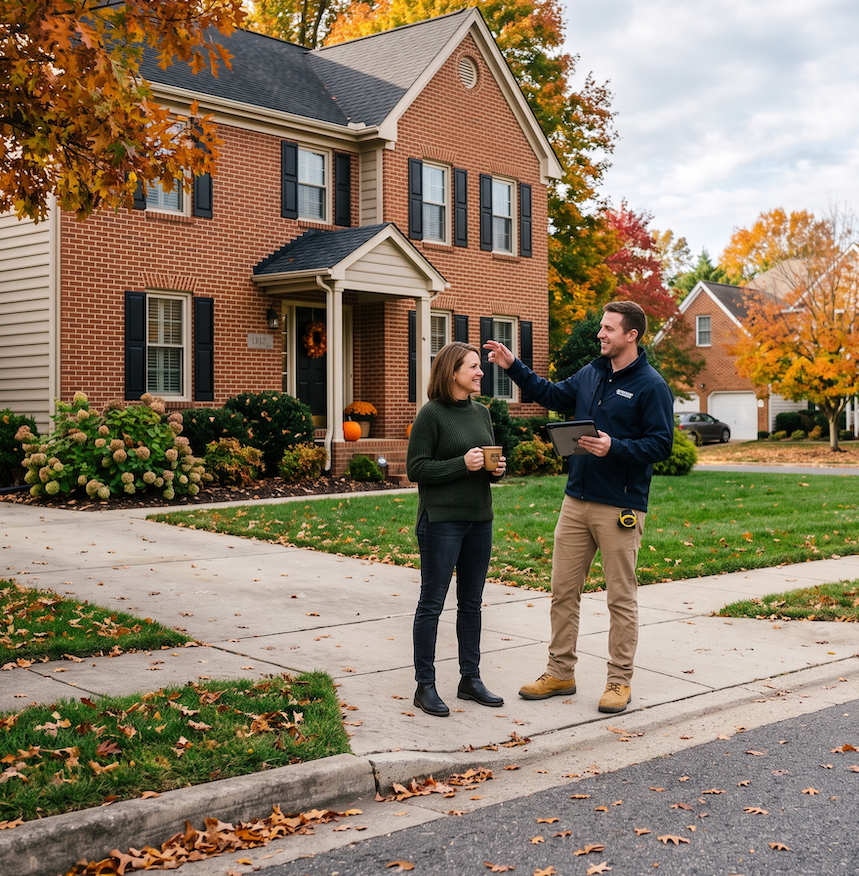
Upselling means offering an upgraded version of something the homeowner is already buying. That might mean moving from a standard shingle to a more durable premium option.
Cross-selling means offering a related product or service. If you're already replacing the roof, for example, you might also offer to replace aging gutters.
In either case, the recommendation should make sense for the home and homeowner.
When does an upsell actually make sense?
Not every job needs an upgrade. If an upgrade doesn't provide meaningful value to that homeowner, leave it off the estimate.
Look at what you found during the inspection and what the homeowner has told you they care about. An upgrade may be worth offering when it:
- Solves a problem you found during inspection
- Improves performance or longevity
- Fits something the homeowner told you they care about
- Is easier or more cost-effective to complete during the existing project
- Gives them an option they may not have known existed
Roofing upgrades to offer homeowners
The upgrades you offer will depend on the roof, your services, and what the homeowner wants from the project. Some may solve an existing problem, while others give homeowners the opportunity to invest in better performance, durability, or appearance while you're already working on the roof.
Here are a few options worth considering.
Better ventilation
If the existing roof has poor ventilation, replacement is a natural time to talk about fixing it.
Proper ventilation helps manage heat and moisture in the attic, which can protect roofing materials and make the home more comfortable. Depending on the existing system, you might recommend changing the type of vents, adding ventilation, or redesigning the ventilation system.
Don't assume the homeowner wants to replace exactly what was there before. Explain what you found and what their options are.
Additional ice and water protection
Ice and water shield provides extra protection in vulnerable areas where water is more likely to find its way beneath roofing materials, such as eaves, valleys, and around penetrations.
How much ice and water protection a roof requires depends on local building codes, climate, roof design, and manufacturer requirements. If the required installation already has appropriate protection, don't present it as an optional upgrade.
Where additional coverage makes sense, explain what the extra protection does and why you're recommending it.
Upgraded shingles
Shingles give homeowners several opportunities to choose what matters most to them. Instead of offering only the standard option, explain what they could gain by upgrading.
Depending on the products you install, those options might include:
- Impact-resistant shingles for greater hail resistance
- Reflective/cool roofing shingles designed to absorb less heat
- Designer shingles for a different look
- Products with enhanced warranty options
Focus on the difference the homeowner will actually notice or benefit from. A longer feature list isn't much help if they don't understand why any of it matters.
New gutters
A roof replacement can also be a convenient time to address gutters that are damaged, aging, or no longer draining properly.
Handling both projects together can save the homeowner from having to find another contractor, get another bid, and schedule another round of work on the home. If your inspection shows that the gutters still have plenty of life left, though, there's no reason to manufacture another project.
Skylights
If a homeowner has been thinking about adding more natural light, a roof replacement may be a good time to discuss a skylight. Since the roofing system is already being worked on, you can plan the installation and flashing as part of the larger project.
Skylights won't make sense for every home or homeowner. Treat them as an option for interested customers rather than a standard add-on.
Upgraded flashing
Standard flashing materials may be perfectly appropriate for the job, but some homeowners may prefer premium materials like copper.
Copper roof flashing offers several advantages for homeowners. It’s incredibly durable and more aesthetic than traditional flashing. Show homeowners the difference in price, appearance, and expected performance so they can decide whether the upgrade is worth it to them.
How to offer upgrades without being pushy
Your expertise as a roofing professional is invaluable. When you examine a homeowner’s roof, you bring a level of insight they simply don't have. You have the power to help homeowners make informed decisions about their roofing needs.
When you upsell a customer, you're not just selling them a product—you're offering them a better solution. As you start cross-selling and upselling in your business, it’s important to follow best practices. Here are some guidelines to consider as you begin using these sales methods.
Start with what the homeowner told you
Connect recommendations to something you've actually learned about the homeowner or their roof. If storm resistance is a priority, impact-resistant shingles may be worth discussing. If the attic struggles with heat or moisture, talk about ventilation.
Relevant recommendations feel very different from a list of add-ons you give everyone.
Explain the difference
Don't assume "premium" or "upgraded" tells the homeowner anything useful. Explain what changes between the options.
Does one shingle have better impact resistance? Does the ventilation upgrade address a problem you found during inspection? Does a different material change the expected lifespan or appearance? Give homeowners enough information to understand what they're paying more for.
Show prices clearly
Separate the work the homeowner needs from the upgrades they can choose.
Your estimate should make it easy to see the base scope, what each optional upgrade adds, and how the total changes if they select it. Clear pricing keeps optional work from feeling like a surprise charge and lets homeowners compare the value for themselves.
Let them say no
An option stops feeling optional when the homeowner has to defend why they don't want it. Don’t push unnecessary or irrelevant services. Explain the option, answer their questions, and accept their decision. A homeowner who turns down premium shingles today can still walk away feeling good about hiring you for the roof they actually wanted.
Use Good/Better/Best estimates
Instead of rattling off upgrades one by one, package meaningful differences into Good, Better, Best estimate options. Tiered estimates let homeowners compare materials, warranties, ventilation, and other features side by side.
The Good option should still be a solution you stand behind. Better and Best give homeowners a clear picture of what additional investment gets them without making the base option feel intentionally inadequate.
Don't forget cross-selling after the job
Cross-selling doesn't have to end when the roof is finished. A homeowner who's already had a good experience with your company may come back when they need another service you offer, whether that's gutters, siding, solar, repairs, or maintenance. You already know the property, and they already know what it's like to work with you.
Keep good customer records and stay in touch after the project. That way, when another exterior project comes up, you aren't starting the relationship from scratch.
Give homeowners options worth considering
The best roofing upsells don't feel like upsells because they're useful options based on what you found on the roof and what the homeowner cares about.
Show customers what's available, explain the value and cost clearly, and let them decide. You may end up with a larger job, but more importantly, the homeowner gets a roof that's a better fit for what they actually want. Either way, they understand what they're choosing.
JobNimbus makes it easy to build professional estimates with optional upgrades and Good, Better, Best choices, so homeowners can choose upgrades without feeling pressured.
Start your free 14-day JobNimbus trial today

Frequently Asked Questions
Upselling in roofing means offering a homeowner an upgraded version of a product or service they're already purchasing. Examples include upgrading to impact-resistant shingles, choosing a premium flashing material, or improving the home's ventilation system during a roof replacement.
Upselling offers the customer an upgraded version of something they're already buying. Cross-selling offers a related product or service. Upgrading shingles is an upsell, while adding gutter replacement to a roofing project is a cross-sell.
Common roofing upgrades include premium or impact-resistant shingles, enhanced ventilation, additional ice and water protection where appropriate, skylights, premium flashing materials, and other improvements that fit the roof and homeowner's priorities. Contractors who offer additional exterior services may also cross-sell gutters, siding, solar, repairs, or maintenance.
Start with the homeowner's needs instead of the upgrade. Recommend options that solve a problem, support something they care about, or provide a meaningful benefit. Explain what changes, clearly show the additional cost, and give them room to say no.
Including optional upgrades in the original estimate can make it easier for homeowners to understand and compare their choices. Clearly separate required work from optional improvements and show how each upgrade affects the total price.
Yes. Good, Better, Best estimates can package different combinations of materials, warranties, ventilation, and other upgrades into clear options. Each tier should provide a complete solution, with the higher tiers offering meaningful additional value rather than simply increasing the price.

Blog / Guide Title CTA
Once you've created a strong Linkedin profile, you can leverage it as part of your broader marketing strategy. Use your Linkedin to share content, join industry groups, and network with others in the contracting space.
If you're looking for additional marketing support, consider partnering with JobNimbus Marketing to maximize your business growth. Schedule a call with our team to learn how to boost your marketing efforts today.
Blog / Guide Title CTA
Once you've created a strong Linkedin profile, you can leverage it as part of your broader marketing strategy. Use your Linkedin to share content, join industry groups, and network with others in the contracting space.
If you're looking for additional marketing support, consider partnering with JobNimbus Marketing to maximize your business growth. Schedule a call with our team to learn how to boost your marketing efforts today.
Download Our Free Tips for Recession-Proofing Your Company
We’ll show you five simple things you can do to help your business survive a recession.