Table of Contents

Win more bids. Close more jobs. Start with our newsletter.
Get exclusive insights, tips, and trends your competition doesn't want you to know.

No roof lasts forever. Roofs wear down over time, require repairs, and eventually need to be replaced. While some roofing problems call for a permanent solution, you know how busy your schedule can get. Sometimes, there’s a long wait for a roof replacement or extensive repair for a damaged roof.
That’s where roofing cement comes in. While it’s not a perfect material for long-term fixes, it can temporarily seal gaps, small leaks, and cracks.
Roofing cement isn’t meant to delay a much-needed roof replacement in the long term. However, it can serve as a stopgap to hold the roof over until a more extensive repair can be scheduled. In this guide, we’ll discuss roofing cement, its uses, and how to apply it.
What is roofing cement?
Roofing cement is a waterproof adhesive and sealant used to repair minor roof issues like small holes, leaks, or lifted shingles. It's typically used as a temporary solution until a permanent repair can be completed.
Roofing cement uses
Roofing cement should be used carefully. While it's effective for sealing small gaps, cracks, and lifted shingles, using it as a substitute for proper roof repairs can lead to additional damage over time.
Professional roofers should only use the material to seal gaps, fix minor cracks or holes, quickly repair damaged shingles, or as a short-term fix before a long-term repair.
If multiple shingles are loose on a very old roof, you shouldn’t slather the roof in roofing cement. That could lead to more damage.
If a roof has extensive damage, roofing cement shouldn’t be the tool you reach for.
How to apply roofing cement
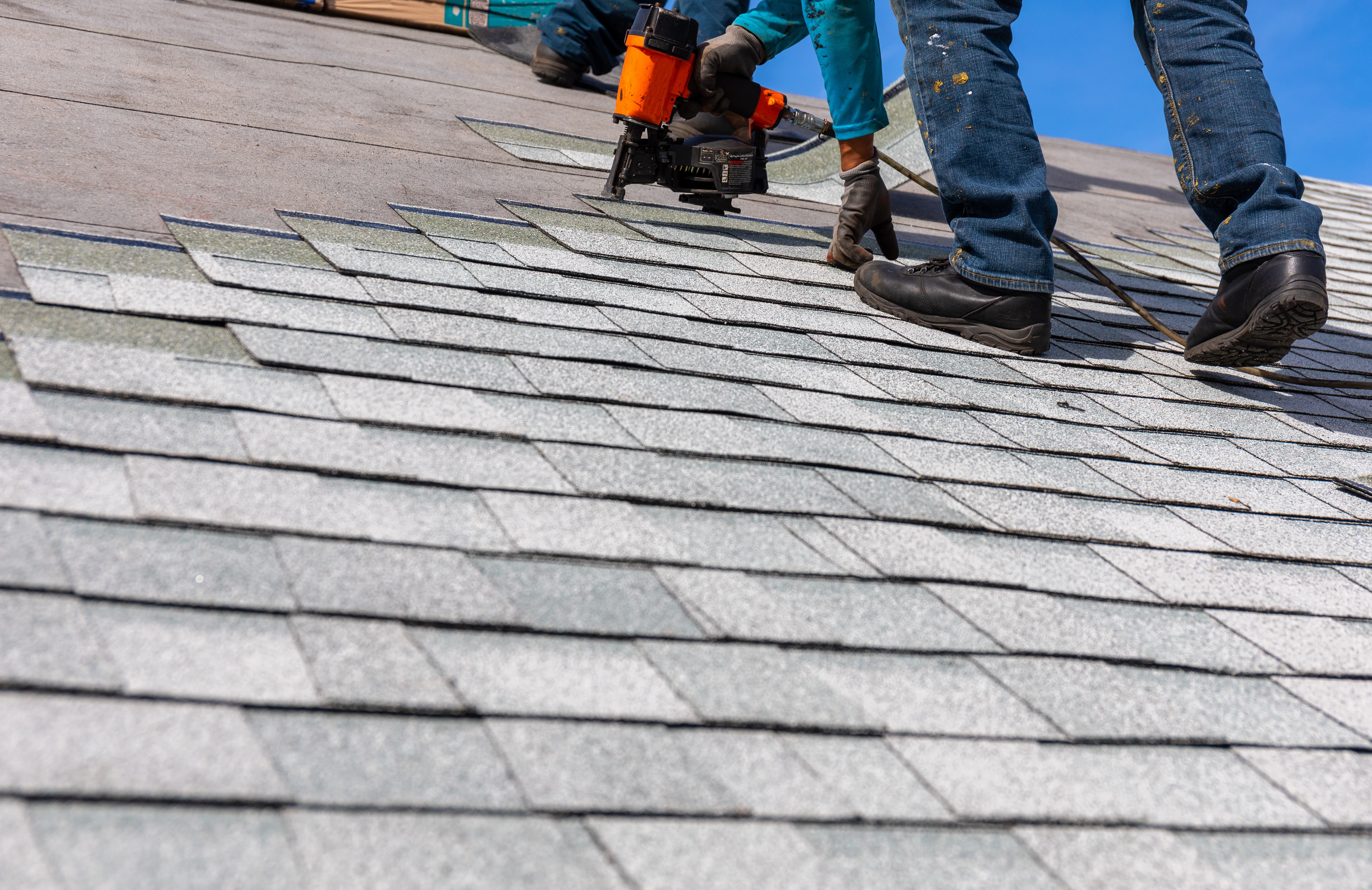
To apply roofing cement, start by clearing the application area on the roof. Use a roofing brush to remove any debris or dirt. The roofing cement may not stick properly if the area isn’t cleared and cleaned.
While you generally won’t use roofing cement for larger areas, it may be necessary while waiting on a permanent fix. If it’s a bigger area, you can cover it with rolled roofing or another fabric before applying the material.
Once the area is clean and ready for roofing cement, apply a small amount to start, then add more as needed. Remember, you can always add more roofing cement, but it’s difficult to remove once applied.
What tools to use for roofing cement application
The tool you choose to use to apply roofing cement depends on the size of the area you’re repairing.
For small to medium fixes, consider using one of the following tools:
- Putty knife
- Taping knife
- Pointing trowel
- Notched trowel
- Margin trowel
If the area is close to the size of a roof square, you can apply the roofing cement with a tool like a concrete placer.
How long does roofing cement take to dry?
Roof cement dry times vary by product, weather conditions, and application thickness. Always follow the manufacturer's instructions for the specific roofing cement you're using.
Choose the right tools for the job
Roofing cement can be an effective short-term solution for minor repairs, but it doesn’t replace proper roofing work. Knowing when—and how—to use roofing cement can help you protect a roof until you can safely and correctly complete a permanent repair.
As a roofer, you need the right tools on the roof and the right tools to run your business. From creating estimates to managing projects and communicating with customers, JobNimbus provides roofing contractors with the tools they need to stay organized and deliver a professional experience.

Frequently Asked Questions
Roofing cement is a waterproof adhesive and sealant designed to serve as a temporary solution for minor roof issues, such as small holes, leaks, or lifted shingles. It should be used as a short-term stopgap until a permanent, proper roof repair can be scheduled.
No, roofing cement should be used with caution. It is only effective for minor repairs like sealing small gaps, cracks, or lifted shingles. It should not be used as a substitute for proper repairs, and you should avoid using it on roofs with extensive damage or when multiple shingles are loose on a very old roof, as this can lead to further damage.
You must clear and clean the application area first to ensure proper adhesion. Use a roofing brush to remove any debris or dirt from the roof before applying the material.

Blog / Guide Title CTA
Once you've created a strong Linkedin profile, you can leverage it as part of your broader marketing strategy. Use your Linkedin to share content, join industry groups, and network with others in the contracting space.
If you're looking for additional marketing support, consider partnering with JobNimbus Marketing to maximize your business growth. Schedule a call with our team to learn how to boost your marketing efforts today.
Blog / Guide Title CTA
Once you've created a strong Linkedin profile, you can leverage it as part of your broader marketing strategy. Use your Linkedin to share content, join industry groups, and network with others in the contracting space.
If you're looking for additional marketing support, consider partnering with JobNimbus Marketing to maximize your business growth. Schedule a call with our team to learn how to boost your marketing efforts today.
Download Our Free Tips for Recession-Proofing Your Company
We’ll show you five simple things you can do to help your business survive a recession.