

Table of Contents

Win more bids. Close more jobs. Start with our newsletter.
Get exclusive insights, tips, and trends your competition doesn't want you to know.

You sold the upgrade. You wrote it down. You told the office.
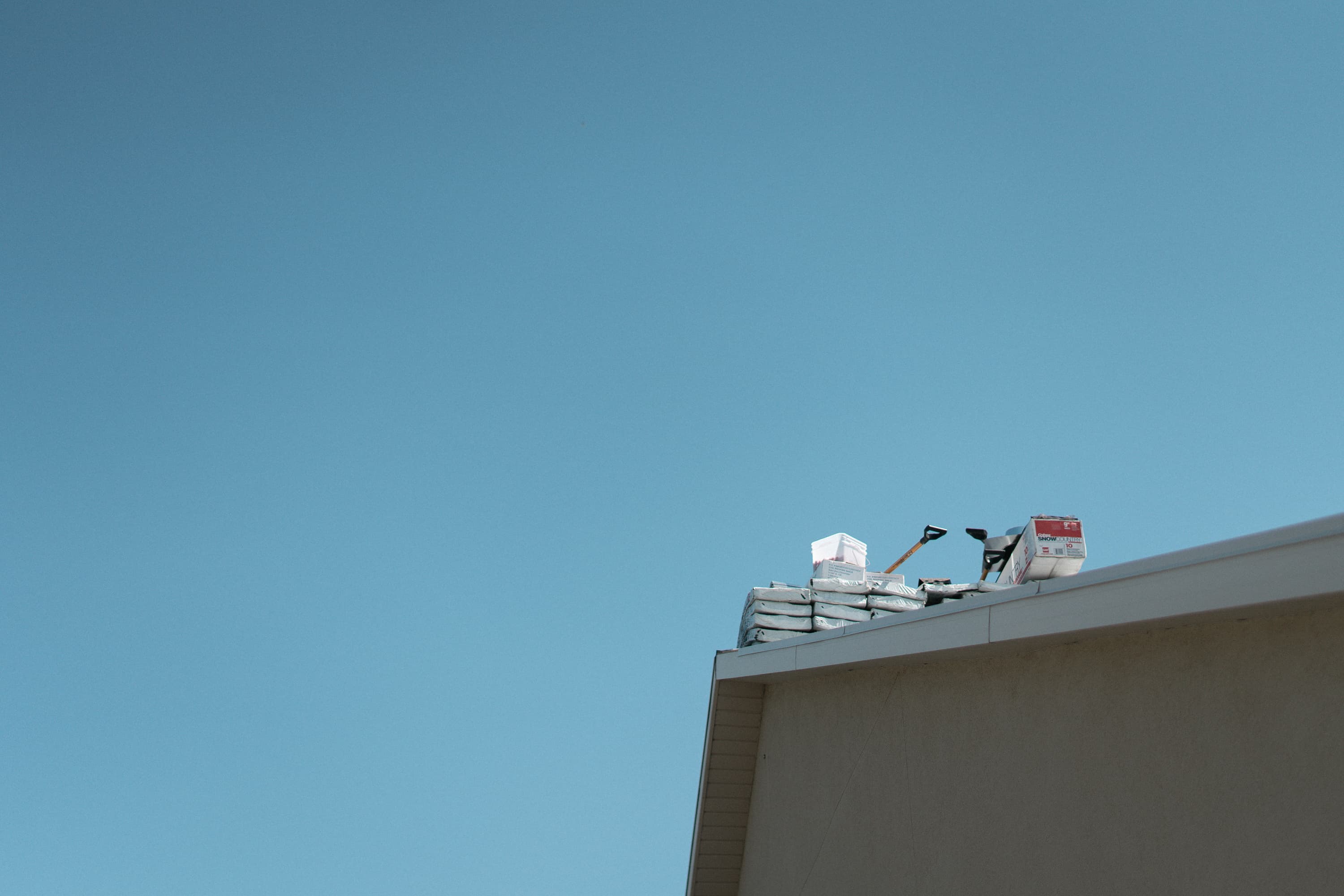
Now you're standing in a driveway explaining to a homeowner why the shingles that just showed up are the ones she specifically didn't pick, and there's no version of this conversation where you come out of it looking good.
Somewhere between your email and the material order, the upgrade didn't make it.
That's what makes this leak so hard to catch. There's no obvious failure to point at, and the same thing will happen again next month on a different job.
Nearly half of all rework starts as a communication problem
In construction, nearly 50% of all rework traces back to poor communication and inaccurate project data.
The breakdown matters. Poor communication accounts for 26% of rework: unresponsiveness, weak collaboration between teams, and no shared platform where information actually lives. Bad or inaccessible project data accounts for another 22%: incorrect information, limited access to it, and no clean way to share updates across teams.
Neither category describes effort. You could hire the most buttoned-up rep in your market, pair him with a project manager who never drops a ball, and still lose a crew day to a shingle color. The failure happens in the space between two people who each did their part.
A job is only as visible as what gets written down
Everything that doesn't get documented lives in somebody's head. The gaps are almost always small. The wrong shingle color gets ordered. An upgrade selection never makes it from the sale into the material order. The homeowner pushes the start date two days and half the people who need to know never hear about it.
At five jobs a week, a good memory and a group text cover most of it. At fifty, you're relying on a lot of people to remember a lot of things at the same time, and someone is bound to forget something.
When details get lost, the person who’s left dealing with the consequences is usually the rep standing in front of the homeowner, or the office manager who picks up the phone. They're apologizing for information that never reached them. Your team is forced to remember things a system should be holding.
Run your math
Most roofing companies land somewhere in this range:
- 120 to 240 jobs completed per year
- 20% to 30% of them impacted by miscommunication or missing information
- 1 to 2 days of rework or delay per impacted job
Which comes out to 25 to 70 disrupted jobs a year, and 25 to 140 crew days lost to rework, rescheduling, and chasing down answers.
That's time you already paid for. Those crews were on the clock, insured, and fueled, standing on a job they couldn't build. At $10,000 per job, delays alone could be costing your business $125K to $700K every year.
Five changes that close the gap
Four of these five cost nothing except the decision to do them.
1. Create one shared job file. Keep job notes, material selections, photos, schedules, and customer details in one place so every team is working from the same information and nobody has to ask who has the current version.
2. Standardize the sales-to-production handoff. Build a required checklist for every sold job so production receives the same details every time before work begins.
3. Require real-time job updates. Set the expectation that job changes, delays, and customer requests get documented in one central location the moment they happen, instead of at the end of the day or whenever someone gets back to the truck.
4. Hold short production coordination meetings. A quick daily or weekly check-in between sales, office, and production surfaces problems while they're still cheap to solve.
5. Audit rework and delays weekly. Review where jobs went sideways, what information was missing, and where communication broke down. The value is in the pattern, and most companies find the same few causes repeating.
The same principle extends to your suppliers. When your system connects directly to distribution, you can pull real-time material pricing while you're still building the estimate, place the order with suppliers, and schedule accurate delivery the moment a job is signed.
One version of the job
That same morning looks different when the upgrade lives in the job file instead of an inbox. The material order is correct because nobody had to move the information by hand, the crew has the right shingles on the truck, and the homeowner watches her roof come off on schedule.
Best-in-class roofing companies run sales, office, and production out of one connected system, where every photo, note, schedule, document, and message lives in the same job file. What gets sold and what gets built are the same record, visible to everyone who needs it, updated in real time.
This is one of eight operational leaks we break down in The Hidden Leaks in Your Roofing Business, a look at where jobs, hours, and margin quietly slip out of a growing roofing operation.
Want to learn more about how to find and fix the leaks in your business? Read the full guide.


Blog / Guide Title CTA
Once you've created a strong Linkedin profile, you can leverage it as part of your broader marketing strategy. Use your Linkedin to share content, join industry groups, and network with others in the contracting space.
If you're looking for additional marketing support, consider partnering with JobNimbus Marketing to maximize your business growth. Schedule a call with our team to learn how to boost your marketing efforts today.
Blog / Guide Title CTA
Once you've created a strong Linkedin profile, you can leverage it as part of your broader marketing strategy. Use your Linkedin to share content, join industry groups, and network with others in the contracting space.
If you're looking for additional marketing support, consider partnering with JobNimbus Marketing to maximize your business growth. Schedule a call with our team to learn how to boost your marketing efforts today.
Download Our Free Tips for Recession-Proofing Your Company
We’ll show you five simple things you can do to help your business survive a recession.